
Our values
Sustainablity Meeting Moroccan Handcraft
Section 01
Our Sustainable Materials
We are constantly striving to find new ways to decrease our environmental footprint.
Our materials are:
Recyclable
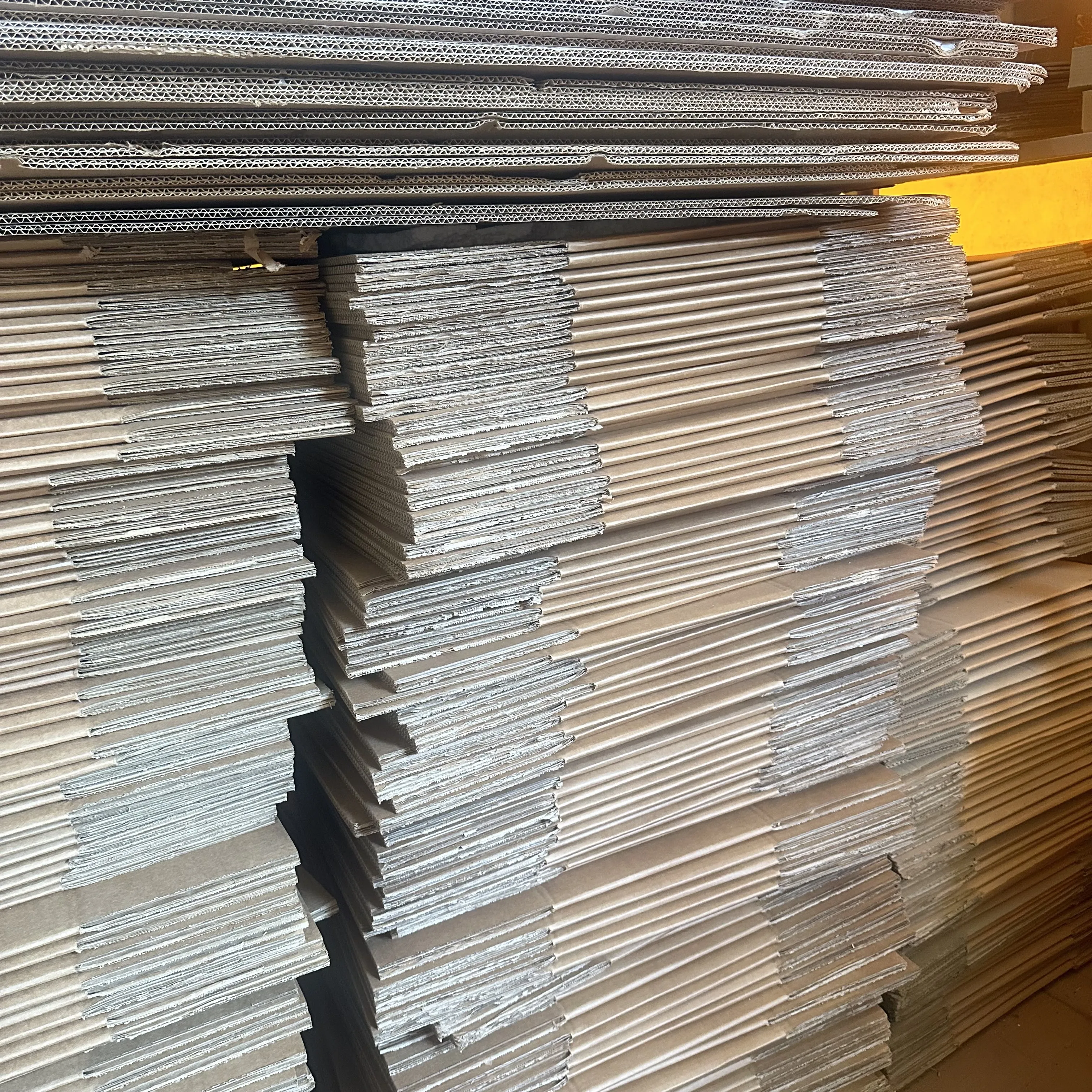
We use 100% clean, recycled cardboard for all our shipments — sourced from certified Moroccan suppliers who meet international recycling standards.
Chemical-Free
We do not produce products that contain harmful chemicals. We strive to use only natural coatings and finishes — beeswax on woodwork, natural gum arabic on textiles, and mineral-based pigments on ceramics.
Organic
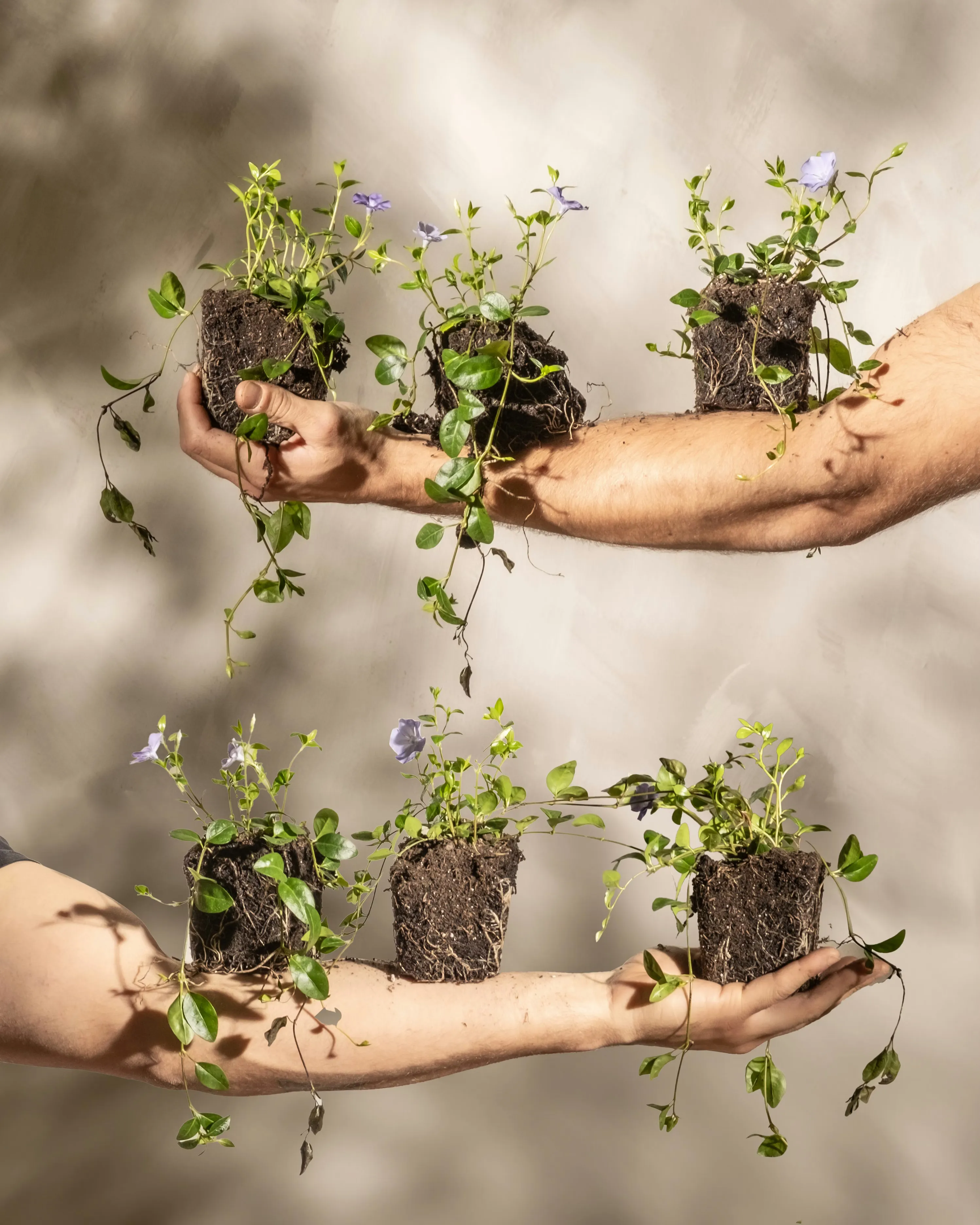
We use organic fibers such as cotton, wool, and linen with natural plant dyes — indigo, saffron, and pomegranate — whenever possible, preserving traditional Moroccan dyeing techniques.
Biodegradable
Almost all of our raw materials are ethically sourced and 100% biodegradable. We strive to meet the guidelines of the Forest Stewardship Council.
Environmentally Conscious
We will not produce products that carry a great carbon footprint — whether in the materials used, production method, packaging, or required shipment.
Section 02
Natural Material Sourcing
Every raw material we use can be traced back to its origin. We work directly with primary producers across Morocco — bypassing middlemen to guarantee both quality and transparency.
Our wool comes from Beni Ourain shepherds in the Middle Atlas mountains, where sheep graze on natural highland pasture free from synthetic additives. Cedar and thuya wood are sourced from small cooperatives in the Rif and Sous regions, harvested under sustainable rotation schedules that protect the forest canopy.
Clay for our ceramics is extracted from the ancient riverbeds near Safi and Fès, refined by hand using water-only processing — no chemical bleaching, no synthetic binders.
By knowing exactly where each material comes from, we can make honest claims about our environmental impact — and improve year on year.
Section 03
Responsible Packaging
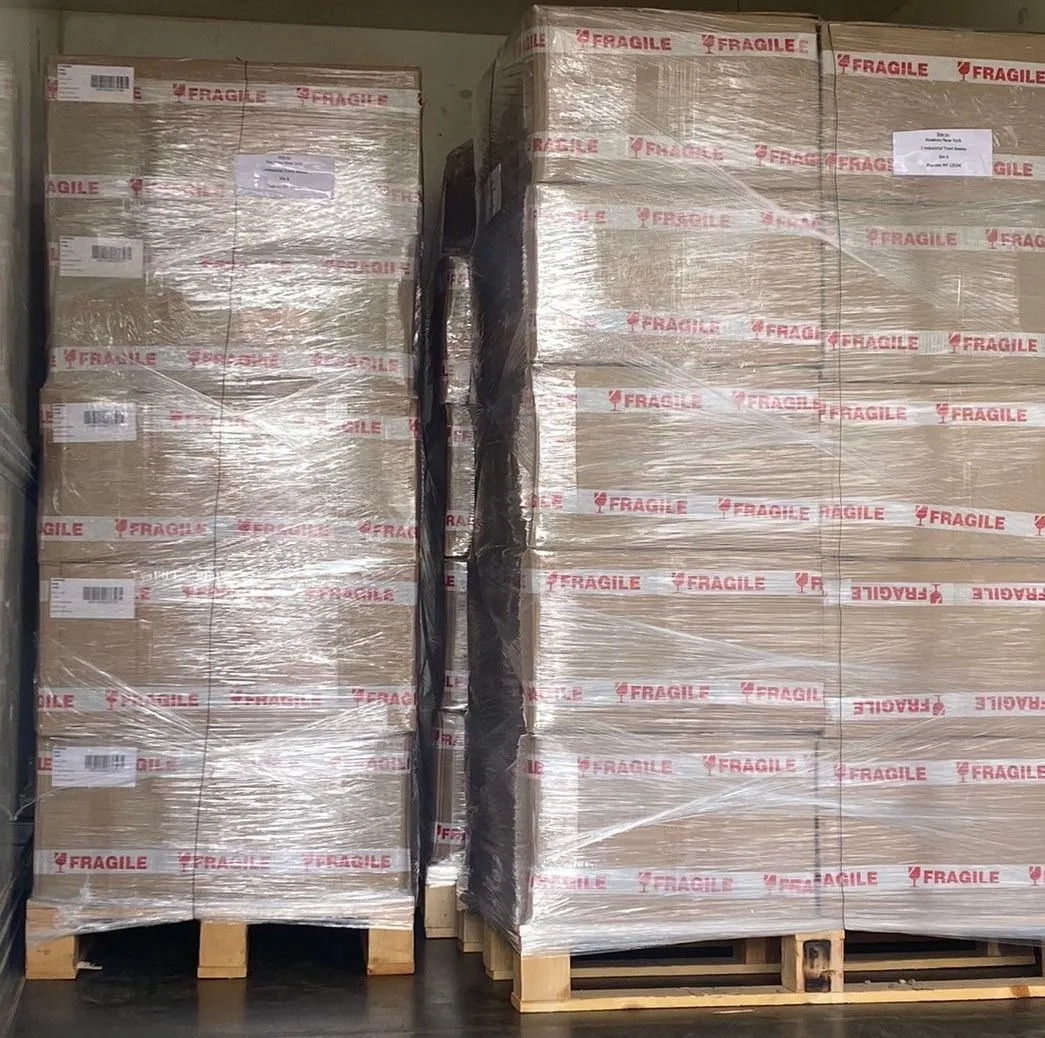
Packaging is often the most visible part of a product's environmental footprint — and one of the easiest to improve. We have committed to eliminating all single-use plastics from our supply chain by the end of 2025.
All outer boxes are made from 100% post-consumer recycled cardboard, printed with water-based inks. Interior wrapping uses unbleached kraft tissue sourced from a Casablanca cooperative that employs women from underserved neighborhoods.
Fragile items are cushioned with shredded recycled paper instead of bubble wrap, and every label is printed on seed paper — plant it and it grows wildflowers.
For bulk wholesale orders, we offer returnable wooden crate packaging — a closed-loop system where crates come back to us, are repaired locally, and go out again.